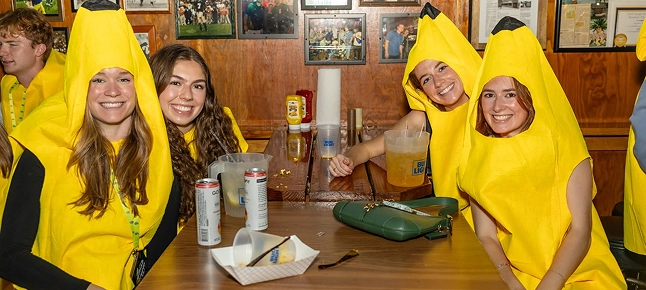
What Makes University Social Experiences Memorable?

Memorable university social experiences often begin with shared effort, familiar faces and moments that carry personal meaning. A crowded celebration might stand out, but so can an ordinary conversation after a difficult examination. Friendships, participation and the circumstances surrounding an activity influence what students remember. Equally, different personalities and financial situations shape what feels worthwhile. Meaningful campus memories rarely depend on attending every event. They grow when students engage in activities that suit them, connect respectfully with others and give relationships enough time to develop.

Why Certain University Moments Stay With Students

An experience becomes personally significant through more than its entertainment value. The people involved, the circumstances and a student’s own contribution can all shape its meaning.

Personal Involvement Makes an Experience Distinctive

Consider the difference between watching a campus performance and helping prepare it. Audience members may enjoy the music, while performers and volunteers might remember rehearsals, last-minute adjustments and the relief of finishing together.

Participation does not require a prominent role. Someone who welcomes newcomers, helps arrange equipment or asks an interesting question may feel more connected to an activity than someone who attends without interacting. However, quiet observation can still matter when the subject reflects a personal interest.

Memories also gain meaning from context. A simple shared meal after submitting a demanding assignment may carry more significance than the same meal on an ordinary afternoon. The achievement, company and conversation give the moment its character.

Meaning Matters More Than Scale

Large university events offer excitement and opportunities to meet unfamiliar people. Smaller gatherings, meanwhile, allow longer conversations and often give participants more control over their involvement. Neither format guarantees a lasting memory.

A useful question before joining an activity is whether it offers something personally worthwhile: a connection, a shared purpose, an enjoyable challenge or time with valued friends. Judging experiences by attendance figures or photographs alone can obscure what made them meaningful. An evening with three friends may remain special even when nobody records it.

Friendships Give Everyday Experiences Depth

Close friendships can make familiar settings feel significant. They develop through repeated interactions, shared interests and respect rather than instant closeness.

Repeated Contact Creates Shared History

Students often encounter the same classmates, neighbours or society members throughout a term. Small exchanges about lectures, meals and assignments gradually provide common reference points. Later, an ordinary remark may recall several earlier conversations, making the moment meaningful to those involved.

For example, classmates who regularly prepare for seminars together might remember the jokes exchanged while revising as clearly as the final presentation.

Commuting students can create similar continuity through a weekly society meeting or planned lunch between classes. Residence life offers more spontaneous encounters, but proximity alone does not guarantee friendship. Regular interaction matters most when people willingly respond to one another.

Trust Changes the Quality of Shared Moments

Acquaintances can make an event enjoyable without becoming close friends. Deeper relationships usually require dependable behaviour, reciprocal interest and respect for personal limits.

A friend who listens after an unsuccessful presentation, celebrates a small achievement or accepts a declined invitation can give those interactions lasting significance.

However, meaningful friendship does not demand constant contact or personal disclosure. Some students value a few close relationships; others enjoy several separate groups. Neither pattern determines the worth of their university experience.

Shared Activities Turn Participation Into Collective Memories

University activities bring students together around a purpose. What participants do with that opportunity often matters more than the event label.

Collaboration Gives Everyone a Part in the Story

Organising a cultural programme, practising for a sports competition or contributing to a community project involves decisions and responsibilities that participants share. Members negotiate ideas, respond to setbacks and notice each other’s contributions.

For instance, a group preparing an exhibition might remember rearranging displays just before visitors arrive. The moment becomes distinctive because everyone recognises the effort behind the finished result. Success can feel satisfying, but unexpected difficulties may also prompt useful conversations and cooperation.

Participation works best when roles remain fair and voluntary. If one person carries every task while others take credit, the experience may create resentment rather than connection. Clear expectations and respectful communication allow students to contribute according to their time, abilities and interests.

Celebrations Gain Meaning From Their People

Campus festivals, student-led performances and informal celebrations can reflect a community’s interests and traditions. Friends may remember preparing decorations, helping one another participate or sharing a quiet conversation afterwards.

Some students enjoy energetic gatherings, while others prefer creative workshops or small cultural sessions. A meaningful celebration welcomes varied levels of involvement.

Ordinary Campus Life Offers Unexpected Highlights

Not every memorable social experience requires planning. Everyday routines leave room for conversations and encounters that students could not arrange in advance.

Small Moments Can Carry Shared Meaning

A discussion that continues after a lecture, an unexpectedly funny group meeting or a meal during a study break may become an enduring point of reference.

Spontaneity does not mean abandoning responsibilities or ignoring safety. Students can accept an unexpected invitation when time permits, while still meeting deadlines and respecting personal boundaries. Equally, choosing to go home or rest need not mean missing a supposedly essential university experience.

Returning to the same shared spaces makes encounters more likely, whereas irregular schedules can limit casual contact. Commuters may benefit from staying briefly after a scheduled activity rather than making extra journeys solely for socialising.

Trying Something New Can Add Personal Significance

Unfamiliar activities sometimes stand out because they require a decision, introduce new people or offer a different perspective. Novelty alone, however, does not ensure enjoyment.

Choose New Experiences With a Clear Reason

Joining a debate society, helping with a volunteer event or attempting a recreational sport can introduce students to interests beyond their usual routine.

A student who normally attends music performances might try helping with stage preparation. The practical tasks and conversations behind the scenes offer a different experience without requiring a dramatic change in personality.

Before participating, consider whether the activity genuinely appeals to you. Following friends occasionally can be enjoyable, but persistent pressure to attend unsuitable events can make university social life tiring. Saying no allows students to invest their energy elsewhere.

Preparation Makes Unfamiliar Settings Easier

Before joining an unfamiliar activity, consider:

  • Timing: Does the schedule fit academic commitments?
  • Access: Can newcomers participate comfortably?
  • Cost: Are fees, equipment and transport affordable?

Ask organisers what participants can expect. Attending with a classmate may make introductions easier, although arriving independently can also work when the group offers a welcoming structure.

Set a modest aim, such as speaking with one participant or contributing to a shared task. An activity can remain worthwhile even if it simply helps someone decide what they would prefer next time.

What Makes Organised Group Experiences Worthwhile?

Organised outings offer a common starting point for interaction, but their value depends on group behaviour, personal choice and suitable arrangements.

Consider the Experience Beyond Its Name

An educational excursion may encourage conversation through shared observations, while a creative session gives people something practical to make together. Informal group outings rely more heavily on participants welcoming newcomers and respecting different preferences.

Names cannot establish whether an event will suit a particular student. For an optional activity such as The Banana Bar Crawl, students can ask who may participate, what the format involves, whether they can afford the costs and how organisers handle personal boundaries.

Rather than treating attendance as a measure of belonging, students can consider whether an activity offers genuine opportunities to interact.

Comfort, Consent and Access Shape Participation

Before attending unfamiliar events, consider:

  • Arrangements: Confirm meeting details and reliable transport arrangements.
  • Access: Check accessibility and applicable age requirements.
  • Autonomy: Make independent decisions and leave freely if an activity feels unsuitable.

Inclusive organisers communicate expectations clearly and allow different levels of participation. Friends can also help by respecting refusals and avoiding pressure to spend beyond someone’s budget. A respectful atmosphere often matters more to the experience than an elaborate programme.

Cultural Encounters Add Perspective to Campus Life

University communities may bring together different languages, customs, regional backgrounds and educational experiences. Shared activities can create opportunities for respectful curiosity.

Approach Differences Through Conversation

A cultural festival, shared meal or student society event may prompt conversations about family traditions, music or celebrations. The memorable element often comes from exchanging perspectives rather than simply observing unfamiliar practices.

Questions should invite conversation without placing one student in the role of representing an entire community. Likewise, participants should respect dietary preferences, personal beliefs and decisions not to join particular activities.

International students may find familiarity through cultural groups while forming friendships elsewhere. Students who have relocated within the same country can also encounter unfamiliar customs. Making room for difference enables new connections without requiring anyone to abandon existing identities.

Academic Work Can Become a Social Highlight

Academic commitments sometimes create memorable shared experiences because students work towards an outcome while handling real constraints.

Shared Challenges Build Particular Memories

Group assignments, presentation rehearsals, academic competitions and revision sessions demand coordination. Participants may remember resolving a disagreement, finding an effective way to present material or supporting a teammate before a difficult assessment.

The process matters alongside the result. Completing an ambitious project may feel rewarding because students remember the preparation, not merely the final mark. Meanwhile, a disappointing outcome can still prompt constructive discussion when members treat one another fairly.

Students can strengthen these experiences through clear responsibilities and realistic meeting times. However, academic collaboration should never require students to overlook unfair workloads or compromise their own priorities.

Memorable Social Experiences Need Not Be Expensive

Costs and access influence which activities students can enjoy consistently. Meaningful connections do not require costly entertainment or constant purchases.

Find Value in Simple Shared Plans

Simple plans can create room for conversation:

  • On campus: Attend free programmes or share a meal.
  • Outdoors: Walk with classmates in accessible spaces.
  • At home: Prepare food together when everyone agrees.

Practical costs still deserve attention. Transport, materials and accessibility needs can affect participation even when entry is free. Before organising an outing, ask whether everyone can manage the arrangements. An alternative date or lower-cost activity may allow more friends to join comfortably.

Keep the Connection Without Trying to Preserve Everything

Memories can remain meaningful even when friendships change or university routines end. Maintaining contact works best when both people welcome it.

Record Moments Respectfully and Stay in Touch

Photographs, shared notes and messages can recall particular events, but students should ask before photographing others or posting images publicly. A private memory need not become online content to retain its significance.

After graduation, occasional messages, planned calls or manageable meet-ups can help friendships adapt to different locations and responsibilities. Recognising milestones or referring to a shared joke may renew contact naturally.

Nevertheless, not every relationship continues indefinitely. Students can value a friendship for the support, enjoyment or perspective it brought during a particular period.

Conclusion

Memorable university social experiences combine personal involvement, meaningful relationships and circumstances that give ordinary moments significance. Shared projects, cultural activities and spontaneous conversations offer different opportunities, while respectful friendships help those moments develop a shared history. Students need not pursue every invitation or spend heavily to create worthwhile memories. Choose activities that fit your interests and responsibilities, contribute where you feel comfortable and appreciate connections without demanding permanence. Often, the most valuable moments emerge from showing up consistently and paying attention to the people already around you.

FAQs

Why do certain university experiences remain memorable for years?

Certain experiences stand out because they connect meaningful people, shared effort and distinctive circumstances. Preparing for an event with friends, overcoming a group challenge or celebrating an achievement may give an occasion personal significance. What remains memorable varies between individuals, so an ordinary encounter can matter more than an elaborate celebration.

How do friendships influence memorable university experiences?

Friendships add shared history, trust and familiar humour to activities. Repeated conversations help people connect moments across an academic term, while mutual support can make difficult periods personally significant. Strong friendships do not require constant communication or identical interests; respect, consideration and reciprocal effort often matter more than social frequency.

Which social activities can create meaningful university memories?

Student societies, volunteering, creative workshops, campus celebrations and recreational sports can provide opportunities for shared participation. Choose activities that fit your interests, schedule and budget. Meaningful memories are more likely when people contribute willingly and interact respectfully, rather than attending events simply because they attract a crowd or attention online.

Can everyday campus moments become lasting memories?

Yes. Shared lunches, conversations after lectures and jokes during group study may gain meaning through familiarity and context. Repeated interactions make these moments personal to the people involved. There is no need to arrange something extraordinary every week; ordinary routines can provide valuable opportunities to connect with others.

How can introverted students enjoy memorable social experiences?

Introverted students can choose smaller gatherings, recurring societies or practical activities that offer natural conversation topics. Attending with a familiar classmate may help, but independent participation can work equally well. Set comfortable limits and allow friendships to develop gradually. Large crowds and constant interaction are not requirements for enjoyable memories.

Do memorable university experiences require expensive activities?

No. Free campus events, shared meals, volunteering and simple outdoor activities can all create meaningful moments. The people, conversations and shared purpose may carry greater value than the expense. Consider transport and accessibility costs as well as entry fees, and suggest affordable alternatives when friends have different financial circumstances.

How do student societies contribute to university memories?

Societies provide repeated contact around shared interests. Members may remember practising together, organising activities, helping newcomers or responding to unexpected challenges. Regular participation creates opportunities to build shared history. Students should choose groups with accessible schedules, clear expectations and respectful environments rather than joining solely for membership numbers or prestige.

Can academic activities create meaningful social experiences?

Yes. Group projects, presentation practice and collaborative revision can create memories through shared effort and achievement. Students may recall a difficult decision, a helpful teammate or the relief of completing demanding work. Clear responsibilities and fair communication make collaboration more constructive, while informal conversations can help relationships extend beyond coursework.

How can international students create memorable university experiences?

International students can join shared-interest groups, participate in suitable cultural activities and build routines with classmates. Respectful conversations create opportunities to exchange perspectives without reducing anyone to a cultural stereotype. Maintaining connections with familiar communities is equally valid. Choose experiences that suit personal comfort, finances, accessibility and academic commitments.

How can students maintain friendships after graduation?

Students can maintain friendships through occasional messages, planned calls and realistic opportunities to meet. Different working schedules or locations may require flexibility, so avoid interpreting every delayed reply as disinterest. Mutual effort matters more than constant contact. Even when relationships change, shared university experiences can retain their personal significance.


How Can Students Build a More Active Social Life?

Students can build a more active social life by creating regular opportunities to meet people, starting manageable conversations and following up when connections feel mutual. Shared interests help, but consistency often matters more than attending numerous events. A satisfying social life might involve a small circle of close friends, occasional group outings or both. Class schedules, commuting, finances and personal preferences shape which opportunities make sense. The strongest approach combines ordinary interactions with a few deliberate commitments that students can maintain without sacrificing their studies or personal boundaries.

Make Everyday Campus Contact Count

Friendship often begins in places students already visit. Repeated contact creates familiarity without requiring an elaborate introduction or a packed social calendar.

Use Shared Routines to Create Familiarity

Arriving early for lectures creates openings to greet familiar faces. After class, assignment questions can spark conversations about shared interests. Classmates can also compare notes or revise together.

Common rooms, residence kitchens and regular lunch breaks offer similar opportunities. However, not every encounter needs an invitation. A friendly greeting, followed by another short conversation later, can feel more natural than an immediate request to exchange contact details.

For commuters, consistency requires more planning. A weekly campus activity may offer more contact than occasional large events. Working students can use breaks rather than add commitments.

Move Beyond Familiar Faces Gradually

Recognition alone does not create friendship. After several pleasant conversations, students can suggest lunch, a library walk or a free campus session together.

Clear invitations leave room for a response. If their schedule prevents a meeting, an alternative suggestion may signal interest. If responses remain consistently vague or one-sided, students can stay courteous and invest their attention elsewhere. Friendship grows through reciprocal effort, not repeated persuasion.

Choose Activities That Suit Real Interests

Societies and campus programmes bring people together around shared purposes. Yet the best choice depends on more than the number of participants.

Prefer Activities With Repeat Opportunities

A recreational sports session, music group, student publication or volunteer project gives members reasons to meet again. Repeated activities encourage conversation, while shared tasks reduce pressure to talk continuously.

Examine society announcements, speak with members or attend an introductory session before committing. Before signing up, check three practical details:

  • Frequency: How often does the group meet?
  • Access: Can beginners participate?
  • Costs: What equipment or membership fees apply?

An enjoyable activity that crowds out coursework may prove unsustainable. Meanwhile, a smaller group with convenient meeting times might create stronger connections because regular attendance becomes realistic.

Leave Room for Different Kinds of Company

A student who enjoys quiet conversations might choose a reading circle, craft session or board game evening. Someone who prefers movement could try walking groups or recreational sport. Cultural programmes and community projects may appeal to those who enjoy working with others.

Interests change; one session need not become a commitment. Trying two options, then choosing one to revisit, keeps the process manageable. Neither outgoing personalities nor large gatherings hold a monopoly on meaningful friendships.

Start Conversations Without Performing Confidence

Social confidence develops through ordinary practice rather than perfect introductions. A useful opening connects to the situation both people share.

Ask Questions That Invite Natural Replies

Before a seminar, students might ask, “Have you started the group project?” At a society meeting, “What made you join?” invites a response without demanding personal information. A comment about the activity can work equally well.

Once someone replies, listening matters as much as the next question. Follow an answer with a relevant observation or brief detail about yourself. Otherwise, a series of questions can resemble an interview rather than a conversation.

Names may slip from memory during induction week. Asking again politely causes less awkwardness than pretending to remember. Even short exchanges count; conversations need not last half an hour.

Notice Invitations, Boundaries and Group Dynamics

Joining an existing group can feel difficult because members already share jokes and routines. A practical entry point involves an open activity, such as a group discussion or volunteering task, where participation has a clear purpose.

Pause to notice whether people make space for newcomers and respond to contributions. If a conversation appears private, respect that boundary. Students can introduce themselves during a natural break rather than interrupting. Equally, leaving an unwelcoming setting does not require a dramatic explanation; other groups may offer a better fit.

Turn Initial Contact Into Lasting Friendships

A pleasant meeting creates an opportunity, not an obligation. Small follow-ups help students see whether a connection has the potential to deepen.

Suggest a Simple Next Step

After discussing a shared interest, propose an activity connected to it. Classmates might revise together before a test, while society members could arrive early for the next meeting. Specific plans usually require less negotiation than a vague promise to meet sometime.

Messages work best when they refer to a real conversation: “You mentioned the photography workshop. Are you going next week?” Such contact feels more personal than sending several generic greetings.

Over time, friendship also needs conversations beyond the original activity. Students might discuss interests, family traditions or future plans as mutual comfort grows. Personal details should emerge voluntarily; closeness does not require immediate disclosure.

Make Space for Mutual Initiative

Healthy friendships accommodate different schedules and communication habits. One person might organise the first outing, while another suggests the next activity or checks in later.

However, if the same person always initiates and receives little engagement, stepping back can protect time and energy. Busy periods sometimes explain slow replies, so assess patterns rather than single delays. Strong connections allow both people to decline invitations without guilt.

Approach Organised Social Events Thoughtfully

Group outings can help students meet people beyond familiar classrooms. Their value depends on the atmosphere, accessibility and opportunity for respectful interaction.

Check Whether an Event Fits Your Circumstances

Academic talks, cultural gatherings and creative workshops provide different structures. A scheduled activity with shared tasks can suit newcomers who prefer clear conversation topics. More informal events may appeal to students comfortable approaching unfamiliar participants.

Event names alone reveal little about suitability. For example, an outing named The Banana Bar Crawl would still require students to consider its format, age requirements, personal preferences and applicable rules; attendance is never essential.

Before agreeing, check:

  • Timing: Does the schedule fit your commitments?
  • Expenses: Can you cover attendance and transport?
  • Access: Does the activity meet your accessibility needs?
  • Choice: Can you leave whenever you wish?

Students should feel free to leave activities that do not match their comfort or values.

Participate Without Relying on the Crowd

Attending with a classmate may ease the first few minutes, although arriving alone can also work when organisers provide introductions. Speaking to two participants can provide a modest, achievable aim.

An enjoyable conversation might lead to a later study session or another shared activity. Nevertheless, one successful evening cannot replace the repeated contact that deeper friendships often need. Smaller daytime gatherings may better match students’ preferences.

Find Social Opportunities Beyond the Campus

University events are useful, but they are not the only places where student friendships begin. Outside commitments sometimes offer a better match.

Connect Through Local Interests and Commitments

Community volunteering, recreational classes, internships and part-time employment can create regular contact with people who share an interest or responsibility. Working on a common task gives conversations a natural starting point.

Students should respect professional boundaries at work and avoid assuming colleagues want social contact outside working hours. In community settings, checking meeting arrangements and accessibility beforehand reduces uncertainty. Free or low-cost options can support students who prefer to keep social spending modest.

Plan Around Commuting and Relocation

Commuters might reserve one afternoon for campus meetings instead of travelling back for separate events. Arranging lunch between lectures can also turn unavoidable gaps into social time.

International students may find orientation activities, language exchanges and shared-interest groups useful, while maintaining existing relationships across distances. Asking about local customs respectfully and sharing personal traditions can encourage mutual curiosity without placing pressure on anyone to represent an entire culture.

Protect Academic Time, Energy and Money

A fuller calendar does not automatically create a better social life. Commitments should fit around study requirements, employment, rest and essential expenses.

Give Social Activities a Realistic Place

At the start of each week, students can mark fixed lectures, assignment deadlines and work shifts. Next, identify one or two suitable openings for social contact. A short shared lunch may fit a demanding week better than an evening event.

During examinations, maintaining connection might mean sending a thoughtful message or taking a brief walk with a friend. Once pressure eases, students can return to longer activities. Declining an invitation kindly preserves the relationship without risking unfinished work.

Time limits also help. Agreeing to stay for an hour allows someone to participate while protecting the next morning’s responsibilities. However, students should leave flexibility for genuine rest rather than treating every free moment as available for social plans.

Keep Participation Affordable and Voluntary

Friendship should not depend on frequent purchases or costly outings. Shared meals prepared at home, campus programmes, public walks and informal study sessions may require little spending.

Before joining a group, ask about membership fees, travel costs and compulsory purchases. Suggesting a less expensive alternative offers friends a practical choice. Students can state budget limits plainly without providing personal financial details or apologising for priorities.

Use Digital Contact to Support Real Connections

Course groups and online communities can help students identify activities, coordinate meetings and stay connected between classes. Yet the most useful messages have a clear purpose.

A student might share a relevant event announcement, confirm meeting details or check how a classmate’s presentation went. Conversely, constant messaging can create pressure when classmates have different schedules. Agreeing that replies need not arrive immediately reduces unnecessary friction. Shared calendars help groups confirm arrangements without lengthy conversations or reminders.

Keep private phone numbers, addresses and personal details within trusted circles. Before meeting someone known only online, choose an appropriate public setting, tell a trusted person about the plan and maintain control over transport arrangements. Digital friendship can remain meaningful without requiring an in-person meeting.

Build a Routine That Can Continue Next Term

Sustainable social habits involve manageable repetition, not constant activity. A simple weekly pattern can support new contacts while leaving enough flexibility for changes in coursework.

  • Monday: Greet someone familiar before class and begin a short conversation.
  • Midweek: Attend a recurring society session, recreational activity or shared study meeting.
  • Friday: Invite one acquaintance to a modest activity during the following week.
  • Weekend: Check in with an existing friend without expecting an immediate reply.

Students can adjust this pattern around placements, exams and commuting. After several weeks, reflect on which settings produce comfortable conversations and reciprocal invitations. Continue the activities that feel worthwhile; reduce those that regularly cause exhaustion or conflict with essential priorities.

Maintaining friendships also means remembering important commitments, showing up when agreed and responding respectfully when plans change. Quality matters more than counting contacts, photographs or event invitations.

Conclusion

An active social life grows from opportunities that students can repeat and relationships that both people choose to maintain. Everyday conversations create openings, while shared activities and thoughtful follow-ups help promising connections develop. Academic demands, budgets and individual preferences should shape the pace. Start with one regular activity and one simple invitation, then notice which connections feel reciprocal. A manageable routine offers more lasting value than a crowded calendar.

FAQs

How can shy students make friends at university?

Shy students can begin with repeated, low-pressure contact in familiar settings. Greeting the same classmate, asking about coursework and attending smaller activities creates manageable openings. Preparing one simple question may make introductions easier. Gradually suggest a shared activity when conversations feel comfortable, without forcing yourself into large gatherings.

Which social activities suit students with limited budgets?

Free campus events, study groups, recreational walks, volunteering and informal gatherings can all create opportunities for connection. Check transport and equipment costs before committing. Shared activities work best when everyone can participate comfortably, so suggesting free alternatives can make plans more inclusive without limiting friendship to paid entertainment.

How can commuters make friends without living on campus?

Commuters can build connections by coordinating lunch, joining one recurring campus activity and staying briefly after classes. Group projects also provide reasons to communicate between visits. Rather than making several extra journeys, combine social plans with existing travel. Consistent contact matters more than spending every evening near university.

How often should students take part in social activities?

One or two manageable social opportunities each week can provide a starting point, although no fixed frequency suits everyone. Students should consider coursework, employment, travel and rest. Brief everyday conversations count alongside organised activities. Increase participation when it feels enjoyable and sustainable; scale back during demanding academic periods.

How can students begin conversations with unfamiliar classmates?

A question about the shared setting offers an easy opening. Ask about an upcoming assessment, a lecture topic or a group task, then listen closely to the reply. Add a small contribution of your own rather than asking questions continuously. Respect brief responses and leave conversations naturally when necessary.

What if an existing friendship group feels difficult to join?

Look for shared activities where everyone has a role, such as organising an event or completing a project. Introduce yourself during open conversations rather than interrupting private discussions. If members make little space for newcomers, choose another setting. Building individual connections may feel easier than entering an established group together.

How can international students develop meaningful social connections?

International students can attend orientation sessions, join interest-based societies and take part in language exchanges if these appeal to them. Regular contact helps conversations continue beyond initial introductions. Asking respectful questions and sharing personal interests encourages balanced friendships. Connections with students from varied backgrounds can coexist with familiar cultural communities.

Can online student communities lead to lasting friendships?

Yes, online communities can support friendship when people exchange useful information, communicate respectfully and develop shared interests. Group discussions may lead to regular study sessions or optional activities, but physical meetings are not essential. Protect private information, respect communication boundaries and judge connections by consistent mutual effort rather than message volume.

How can students balance friendship and academic responsibilities?

Students can schedule social opportunities around fixed academic commitments rather than leaving both to chance. Short lunches or walks may work during busy weeks, while longer gatherings fit quieter periods. Communicate deadlines early, decline plans respectfully and protect rest. Reliable friendships can accommodate occasional changes without requiring constant availability.

What helps new student friendships last beyond one term?

Regular contact, genuine interest and reciprocal effort help friendships continue when timetables change. Arrange occasional catch-ups, remember shared commitments and communicate when academic pressures affect availability. Friendships can adapt to different communication styles without daily interaction. Focus on mutual respect and enjoyment rather than maintaining every connection at equal intensity.

What Are the Best Social Activities for University Students?

University students socialise through societies, sports, workshops, volunteering, campus events and gatherings. The best choice depends on interests, time, budget and group size.

Regular activities provide more opportunities for familiar conversations, while occasional events suit unpredictable schedules. Students don’t need to attend crowded gatherings or spend a lot to participate.

A board game session, walking group, or shared creative project can provide an equally worthwhile starting point.

Which University Societies Help Students Make Friends?

Student societies bring people together around shared interests. Their recurring meetings also make introductions less dependent on a single conversation.

Interest-Based Clubs and Weekly Meetings

Book clubs, language circles, gaming societies and environmental groups give members something specific to discuss during their first meeting.

For example, a reading group might select a short story, exchange interpretations and choose the following week’s material together.

Because members return regularly, familiar faces gradually replace the uncertainty of meeting strangers. However, friendship develops at different speeds for different people.

Students should check meeting frequency and membership requirements before joining. Some societies welcome occasional visitors, whereas others expect regular participation or modest subscriptions.

Attending a trial session can reveal more about the group’s atmosphere than a description on a university noticeboard.

Before attending, check recent meeting themes to see whether a society prioritises discussion, practical projects, or casual recreation.

Student Associations and Collaborative Projects

Departmental associations, course committees and student media groups offer practical tasks alongside social contact. Members might organise events, interview classmates or prepare displays.

Shared responsibilities provide natural conversation starters. Moreover, smaller project teams allow participants to cooperate without addressing an entire room.

Students with limited availability can ask about short assignments rather than accepting positions that require substantial weekly commitments.

Rotating responsibilities can also give newer members a chance to contribute without taking on demanding leadership roles or lengthy commitments.

Organised Welcome Events and Group Gatherings

Orientation activities, society fairs and student-organised meetups introduce several communities within a short period. Nevertheless, large events may feel overwhelming.

A useful approach involves selecting one or two smaller sessions afterwards, particularly when participants recognise people they have already met.

If several events appeal, spreading attendance across different weeks may feel easier than facing repeated introductions in one afternoon.

An event carrying the name The Banana Bar Crawl still requires checks for suitability, accessibility, transport arrangements and personal preferences before participation.

No event suits everyone, and students should feel comfortable declining invitations without providing elaborate explanations.

What Recreational Activities Encourage Easy Conversation?

Recreation works particularly well when a shared task reduces the pressure to maintain constant conversation or introduce unfamiliar topics.

Board Games, Quizzes and Film Screenings

Board game gatherings suit small groups because rules, turns and shared decisions create immediate opportunities to talk.

Beginners can choose familiar games or ask organisers to explain the rules. Competitive formats may appeal less to students seeking relaxed interaction.

University quizzes encourage teams to combine different strengths. For instance, one participant may contribute scientific knowledge while another recognises music or literature questions.

Mixed teams may create natural introductions, especially when organisers allocate places rather than expecting established friendship groups to register together.

Film screenings offer quieter participation. Afterwards, optional discussions give students a reason to exchange views without extending the evening unnecessarily.

Talent Events, Festivals and Team Challenges

Campus festivals bring students into contact through performances, displays and student-run activities. However, attending alone need not mean standing among unfamiliar crowds.

Helping with preparation, seating or event photography can provide structured roles and manageable introductions.

Talent evenings welcome performers and supportive audiences, while creative competitions involve planning, rehearsing or solving problems together.

Team challenges such as scavenger hunts work best when organisers explain the route, accessibility requirements and expected duration beforehand.

Students who dislike competitions might prefer collaborative puzzles or informal demonstrations where nobody must win to participate.

Audience members can also start conversations during informal intervals, particularly when performers offer a chance to discuss their work.

How Can Sports Create Social Opportunities?

Physical activities combine shared routines with opportunities for conversation before, during, and after a session. Participation need not involve competitive selection.

Casual Games for Different Ability Levels

Informal football, badminton and volleyball sessions allow students to join without committing to university teams or demanding training schedules.

Still, beginners should confirm whether organisers separate competitive matches from introductory games. Clear expectations prevent unnecessary discomfort for inexperienced participants.

Some sessions need suitable footwear or basic equipment. Where universities provide shared equipment, joining may involve little additional expense.

Students can also rotate partners during friendly matches, making it easier to meet people beyond established friendship groups.

Beginner sessions should explain whether participants need basic rules beforehand or can rely on teammates for instructions and encouragement.

Walking, Cycling and Outdoor Movement

Walking groups offer conversation at a gentle pace and rarely require specialist facilities. Short campus routes may suit busy students particularly well.

Cycling groups require more preparation, including a suitable bicycle and awareness of road conditions. Routes should match participants’ confidence and ability.

Alternatively, outdoor stretching or beginner fitness sessions provide a predictable activity without the pressure of direct competition.

Accessibility varies, so organisers should offer route information and alternatives rather than assuming every participant can manage the same physical demands.

Outdoor groups should also share weather plans and meeting points, especially when participants are travelling without familiar companions.

Which Creative and Cultural Activities Bring Students Together?

Creative groups allow participants to contribute through making, performing, or discussing work. They also offer alternatives to crowded social gatherings.

Art, Photography and Writing Groups

Art workshops might involve sketching, painting or collaborative displays. Because everyone concentrates on a task, conversation can develop gradually.

Students should check whether organisers supply materials or expect participants to purchase their own. Informal sessions often accommodate complete beginners.

Photography walks combine observation with discussion. Participants might compare framing choices, share photographs and practise respectful photography around campus.

Creative writing circles suit quieter groups. Members can respond to short prompts and exchange feedback without sharing personal material unwillingly.

For students who prefer observation, exhibitions provide a way to attend, ask questions and leave without joining a formal membership scheme.

Collaborative displays can distribute responsibilities between planning, making and presenting, which gives members several ways to contribute confidently.

Music, Theatre, Dance and Cultural Celebrations

Music ensembles and theatre productions encourage teamwork through rehearsals and shared responsibilities. Yet some groups use auditions, so newcomers should check entry arrangements.

Behind-the-scenes theatre roles, including costumes and stage preparation, may suit students who prefer contributing without performing publicly.

Open dance sessions encourage movement and interaction, particularly when instructors welcome beginners and explain steps clearly.

Meanwhile, cultural celebrations can feature food traditions, storytelling, music and student presentations without requiring participants to represent their entire background.

Respectful curiosity matters more than cultural expertise. Students can participate as guests while recognising organisers’ preferences and community customs.

Annual productions may require rehearsals over several weeks, whereas occasional workshops generally offer more flexibility for uncertain schedules.

Why Consider Volunteering and Community Activities?

Volunteering centres social interaction on a shared purpose. Participants work towards practical outcomes rather than treating conversation as the main task.

  • Campus clean-ups, environmental planting and donation-sorting projects often involve small teams with clearly defined responsibilities.
  • Fundraising teams may prepare displays, arrange activities or support approved campus initiatives. However, students should examine time commitments before volunteering.
  • Peer mentoring schemes offer recurring contact, although universities may impose training or eligibility requirements for particular responsibilities.

For example, volunteers might divide an area into manageable sections, distribute supplies and coordinate the collection of materials.

Community projects can also connect students across different courses and academic years. Repeated teamwork gives participants opportunities to recognise familiar collaborators.

Students should choose initiatives whose aims they support. They should also confirm safeguarding arrangements when volunteering involves children or vulnerable people.

A weekend clean-up demands a different commitment from mentoring that depends on consistent contact over an entire term.

What Are the Best Low-Cost Social Activities?

An enjoyable social routine need not require regular spending. However, travel, materials and refreshments can turn apparently free outings into costly commitments.

Simple Gatherings on Campus

Students can arrange short social activities around existing lectures, reducing extra journeys and making participation easier for commuters.

Useful options include:

  • Lunchtime board games using equipment participants already own.
  • Shared study breaks with conversation outside the library.
  • Picnic gatherings where attendees bring affordable food individually.
  • Informal reading circles in suitable campus spaces.
  • Friendly outdoor games that need little equipment.

A picnic may cost almost nothing when everyone brings food, although suitable weather and accessible seating still matter.

Study-break gatherings should remain genuinely social rather than becoming compulsory group revision sessions. Participants may simply want a change of surroundings.

Free Events and Shared Hobbies

Universities sometimes offer exhibitions, student performances and introductory sessions without admission charges. Students should check actual arrangements rather than assume free entry.

A shared hobby session might involve exchanging drawing ideas, practising conversation in another language or repairing everyday items together.

Students can also arrange informal cultural exchanges that focus on recipes, festivals, music or personal interests without stereotyping anyone’s background.

Where travel expenses apply, a nearby event may provide better value than an activity advertised as free farther away.

Agreeing a spending limit beforehand can prevent awkward decisions if a group suddenly suggests additional purchases or unexpected travel.

Which Activities Suit Different Personalities and Schedules?

Social preferences differ, and university routines vary considerably. The most suitable event fits students’ circumstances without requiring them to imitate others.

Options for Students Who Prefer Smaller Groups

Introverted students may prefer structured gatherings where conversation follows an activity rather than relying on constant introductions.

Book discussions, board game tables, and small creative workshops offer opportunities to participate at a comfortable pace.

A volunteering team with specific tasks may feel more manageable than a crowded welcome gathering. Nevertheless, group atmosphere matters more than labels.

Students can attend briefly, observe how members interact, and decide whether another visit feels worthwhile.

Smaller recurring gatherings allow people to recognise familiar participants without expecting everyone to talk throughout the whole session.

Activities for International Students

International students may encounter unfamiliar campus customs, different academic schedules or uncertainty about joining existing social groups.

Mixed-interest societies, course projects and recreational activities create contact through shared tasks rather than assumptions about language or nationality.

Although language exchanges can support conversation, organisers should ensure that nobody becomes responsible for representing an entire country or culture.

Clear instructions, accessible event information and welcoming introductions make participation easier for everyone, not only newcomers from overseas.

Choices for Commuting and Working Students

Commuting students often need activities near teaching hours because late finishes can complicate journeys home.

For instance, a lunchtime society session may prove more practical than an evening event requiring another return trip.

Students with part-time jobs might choose occasional weekend projects or groups that allow flexible attendance without penalising missed meetings.

Online planning channels can help people coordinate arrangements, but meaningful participation still requires accessible opportunities to interact directly.

A meeting immediately after lectures may offer regular contact without adding an extra journey to an already crowded week.

How Should Students Choose and Plan Social Events?

A promising activity may still prove inconvenient if its location, cost or format conflicts with someone’s needs. Basic preparation makes choices clearer.

Check the Practical Details

Before attending, students should establish the following:

  • The venue, start time and expected finishing time.
  • Any fees, equipment requirements or booking deadlines.
  • Transport options and safe arrangements for returning home.
  • Accessibility features and alternatives for different needs.
  • Group size, event structure and opportunities for beginners.
  • Relevant university rules and organisers’ contact details.

When details remain unclear, contacting organisers is reasonable. Meanwhile, attending with a classmate may help some students, but independent participation should remain welcome.

Students should respect other people’s boundaries, including their decisions about photographs, personal information and invitations to future gatherings.

If organisers cannot explain essential access requirements, students may prefer another event with clearer information about participation conditions.

Build a Routine Without Overcommitting

Rather than attend numerous unrelated events, students might choose one recurring activity and an occasional alternative.

A weekly creative group creates predictable contact, while a monthly festival or competition offers variety without crowding the calendar.

Academic deadlines, employment, and rest time deserve equal consideration. Consequently, skipping a session need not signal a lack of interest.

Reviewing an activity after several visits can help students distinguish an unsuitable format from the normal awkwardness of meeting new people.

The aim is regular, manageable participation that remains enjoyable, affordable and compatible with other responsibilities.

Conclusion

The best university social activities reflect individual interests rather than a fixed idea of student life. Societies provide recurring contact, while sports, creative groups, volunteering and informal gatherings offer different ways to participate.

Practical considerations such as group size, cost, accessibility, and travel time matter as much as an activity’s popularity.

Starting with one suitable option and adjusting participation gradually can make social commitments easier to maintain alongside academic responsibilities.

FAQs

What Social Activities Help University Students Make Friends?

Society meetings, team sports, volunteering projects, and collaborative workshops create repeated opportunities for conversation. Activities with shared tasks often ease introductions because participants have something immediate to discuss. For students seeking familiar faces, a weekly group may offer more continuity than attending several unrelated one-off events.

How Can First-Year Students Meet New People?

First-year students can attend introductory society sessions, course meetups, and student association activities. Joining a smaller follow-up event after an orientation gathering may make further conversation easier. Asking about meeting times, beginner participation and recurring sessions helps students choose opportunities they can realistically attend again.

What Are Some Free University Social Activities?

Campus walking groups, informal reading circles, shared study breaks and student-organised outdoor games may require no admission fee. Universities may also run free exhibitions or performances. However, students should check whether equipment, refreshments or transport introduce costs, particularly when an event takes place away from campus.

Which Activities Suit Introverted University Students?

Smaller board game groups, art sessions, book discussions and task-focused volunteering often provide manageable conversation opportunities. Participants can concentrate on shared work rather than introducing themselves repeatedly. Introversion does not dictate a single preference, however, so students should assess the atmosphere and decide how much participation feels comfortable.

How Can Students Socialise on a Limited Budget?

Students can meet between lectures, arrange shared picnics or join societies offering free trial meetings. Using existing campus spaces and equipment reduces expenses. However, affordable planning also means checking travel and food costs. A nearby, recurring activity may prove easier to sustain than occasional expensive outings.

Are University Societies Useful for Meeting People?

University societies often bring together students who share an interest and meet repeatedly. That continuity gives conversations room to develop without requiring instant friendship. However, membership rules and meeting styles vary. Students should attend an introductory session, ask about attendance expectations, and choose groups whose activities genuinely appeal to them.

What Activities Can International Students Join?

International students can join sports sessions, academic associations, creative groups, volunteering projects, and mixed-interest societies. Shared activities provide conversation topics beyond nationality. Organisers can support participation through clear instructions and inclusive introductions. Students should select groups that respect different backgrounds without expecting anyone to act as a cultural spokesperson.

How Can Commuting Students Join Campus Activities?

Commuting students can prioritise lunchtime meetings, short sessions between lectures, and occasional events scheduled around transport connections. Before joining, checking finishing times and attendance requirements prevents unnecessary journeys. Flexible societies and project-based volunteering may suit students who cannot remain on campus for several evenings each week.

What Alcohol-Free Social Activities Are Available at University?

Board game evenings, film screenings, photography walks, university quizzes and group sports provide social interaction without making drinking part of the experience. Creative workshops and volunteering projects offer further alternatives. Students should examine event descriptions and arrangements rather than assume that all campus gatherings follow the same format.

How Can Students Balance Social Activities and Academic Work?

Students can select one recurring activity, protect study periods, and leave space for rest. Short sessions between lectures may fit better than frequent evening commitments. During demanding academic weeks, choosing flexible attendance prevents unnecessary pressure. A manageable routine matters more than participating in every available event or society.

Why the Banana Crawl Will Be the Highlight of Your Semester?

College life is packed with lectures, assignments, and responsibilities—but there’s always that one event that turns into the story everyone keeps talking about long after the semester ends. For many students, snagging Bar Crawl Tickets to The Banana Bar Crawl is that unforgettable experience. It’s more than just a night out; it’s a burst of energy, laughter, music, and camaraderie that sweeps you up in a whirlwind of joy.

More Than a Night Out—It’s a Campus Legend in the Making

Think of it as the perfect storm of good vibes: your closest friends, a buzzing crowd of new faces, themed outfits that practically demand a selfie, and a lineup of venues ready to turn the night into a progressive celebration. This isn’t just about hopping from one bar to another—it’s about crafting a night that feels like it belongs in your hall of fame.

From the moment you and your crew step out in your best banana-themed gear to the second you’re reminiscing over breakfast the next morning, the experience is a non-stop ride of energy.

The Social Magnet Effect

One of the best parts of The Banana Bar Crawl is how effortlessly it brings people together. Whether you’re an extrovert ready to meet everyone in the room or a little more reserved, the shared theme and excitement create instant connections. You’re not just entering venues—you’re stepping into mini-parties designed to make conversation easy and fun.

The social magic comes from:

  • Shared theme energy – Everyone’s dressed for the occasion, which instantly breaks the ice.
  • Crowd momentum – Moving as a group from spot to spot keeps the excitement alive.
  • Conversation starters – “Nice banana suit!” can turn into a lifelong friendship.

A Sensory Adventure

If you’ve never been part of a themed crawl before, it’s hard to picture the sensory overload—in the best way possible. Picture a blend of bright yellow costumes, music spilling out of doorways, neon lights reflecting off happy faces, and laughter echoing down the block.

Expect to experience:

  • Music that matches the mood at every stop.
  • Drinks and flavors you’ll be talking about for weeks.
  • Unexpected mini-events like impromptu dance-offs or karaoke battles.

Perfect Timing for Stress Relief

Mid-semester stress is real. Deadlines pile up, coffee becomes a food group, and sleep feels optional. Then, right when you need it most, the Banana Bar Crawl arrives like a bright, happy reset button. It’s the kind of night that lets you shake off the stress, breathe, and enjoy the semester without thinking about the next exam.

Why It’s Different From Any Other Night Out

Sure, you could pick one bar and hang out. But a crawl turns the entire night into an unfolding story. Each venue has its vibe, each transition a chance to see new faces, and the theme ties it all together into one big shared memory.

Highlights that set it apart:

  • Themed games and challenges.
  • Creative drink specials tied to the banana theme.
  • A constantly shifting atmosphere that keeps things fresh.

Safety Meets Fun

The Banana Bar Crawl isn’t just about fun—it’s about smart fun. Routes are planned to keep things easy and safe; event staff are visible and approachable, and there’s always an emphasis on looking out for one another. It’s designed so you can let loose without worrying about logistics.

Moments That Become Stories

What makes this event legendary is how often small moments turn into the big stories you’ll retell for years. It might be the spontaneous conga line that formed on the third stop, the hilarious photo booth pictures, or that random duet you sang with a stranger who somehow knew all the same lyrics.

A Tradition You’ll Want to Repeat

Ask anyone who’s been before, and they’ll tell you the same thing—it’s addictive. Once you’ve been part of the Banana Crawl crew, you’ll find yourself marking the calendar for the next one. It becomes less of a “one-time event” and more of a “semester tradition.”

Quick Tips to Maximize the Fun

  1. Dress for the theme – Go big with banana costumes or yellow outfits.
  2. Stay hydrated – Alternate between cocktails and water.
  3. Charge your phone – You’ll want proof of all the ridiculous fun you had.
  4. Pace yourself – It’s a marathon, not a sprint.
  5. Go with a crew – Everything’s better with friends.

Why Choose The Banana Bar Crawl?

When it comes to themed events, The Banana Bar Crawl delivers an experience that’s been carefully crafted to balance excitement, safety, and unforgettable fun. The venues are handpicked for atmosphere, the energy is infectious, and the community vibe turns strangers into instant friends. It’s the event that transforms an ordinary semester into one you’ll remember with a smile for years.

The Banana Bar Crawl isn’t just a night out—it’s the highlight of your semester.

Why Having Fun Before Graduation Matters?

The final semesters of college hold a unique blend of excitement, anticipation, and a tinge of bittersweetness. With graduation approaching, the demands of assignments, exams, and planning for the future can overshadow the importance of enjoying the moment. Yet, these years are meant to be more than academic milestones—they are about creating memories that last a lifetime. For many students, events like themed parties, road trips, and even campus-wide events offer a chance to live fully before stepping into a new chapter. Getting Bar Crawl Tickets for an unforgettable night with friends is one such way to add a burst of joy to this period. At The Banana Bar Crawl, we believe that fun is not an optional extra—it’s an essential part of the college experience.

Why Fun Before Graduation Isn’t Just Recreation?

Some see fun as a distraction from the “serious business” of preparing for the future. In reality, shared laughter, adventures, and special moments with friends help strengthen bonds, reduce stress, and build confidence—skills that carry into professional life. Think of it as investing in your emotional well-being before life speeds up.

The Emotional Boost

Stress levels peak as students prepare to transition into careers or further studies. Activities that bring genuine joy release endorphins, which improve mood and resilience. This isn’t about avoiding responsibilities—it’s about balancing them with the moments that keep you mentally strong.

The Memories You Can’t Get Back

No matter how many times you visit your campus after graduating, the atmosphere won’t be the same. The friends, the inside jokes, the shared late-night adventures—these belong to this exact moment in life. If you pass them up, you can’t rewind.

Benefits of Prioritizing Fun Before Graduation

  • Strengthens Friendships: Shared experiences deepen bonds that can last a lifetime.
  • Stress Relief: Provides a necessary break from academic and career pressures.
  • Boosts Creativity: Engaging in fun activities stimulates the brain in ways that can improve problem-solving.
  • Builds Social Skills: Events with diverse groups prepare you for networking in professional settings.
  • Increases Confidence: Trying new experiences helps you grow beyond your comfort zone.

Ways to Have Meaningful Fun Before Graduation

Fun doesn’t have to mean overspending or neglecting responsibilities. It’s about choosing activities that make you feel alive and connected.

  • Organize a Themed Night Out: Whether it’s retro fashion, pajama parties, or a “banana” dress code that sparks conversation, themed events bring a playful twist to your nights.
  • Go on a Spontaneous Trip: Pack a bag, grab a friend, and head to a nearby city or landmark. The lack of planning often leads to the most memorable adventures.
  • Participate in Campus Traditions: From homecoming events to senior pranks, these shared rituals become cherished stories long after graduation.
  • Attend a Bar Crawl: Joining a group for a night of venue-hopping offers the perfect mix of socializing, exploring local spots, and celebrating your achievements before moving on.

Why Fun Helps You Transition Into the Next Chapter?

When you finish college, you’re stepping into a world that may feel more structured and demanding. Fun-filled experiences help you leave with a sense of fulfillment, not regret. They also teach you how to balance hard work with personal joy—a skill many adults struggle to master.

Life after graduation often brings a heavier focus on responsibility, but those who’ve taken time to enjoy themselves beforehand carry a lighter, more confident energy into the workplace or further studies.

How does Fun Prepare You for Real-World Connections?

Networking is not only about exchanging business cards—it’s about forming genuine relationships. Fun experiences during your final semesters teach you how to connect naturally with people from different backgrounds, making future collaborations easier.

Example scenarios where pre-graduation fun translates into life skills:

  • Organizing a group event → strengthens leadership and planning skills.
  • Joining a large social activity → builds adaptability in diverse social settings.
  • Handling unexpected twists during trips or events → boosts problem-solving under pressure.

Avoiding the “I Wish I Had” Syndrome

Many alumni regret not participating in certain events or activities during their college years. The truth is, you’ll never have the same combination of freedom, energy, and close-knit community again. By consciously making space for fun now, you sidestep that lingering sense of missed opportunity.

Fun as a Confidence Builder

When you challenge yourself to join new activities, meet new people, or try things you’ve never done before, you’re practicing courage in a safe environment. Later, when faced with daunting challenges in work or life, you’ll remember that stepping outside your comfort zone brought great rewards.

Why Choose The Banana Bar Crawl?

At The Banana Bar Crawl, we specialize in creating unforgettable moments before your big day in cap and gown. Our events are designed to bring together different campus groups, encourage laughter, and spark memories you’ll talk about for years. We provide a fun, vibrant environment that celebrates the joy of being a student before stepping into the next phase of life. Because when you look back, you won’t just remember the grades—you’ll remember the nights you truly lived.

Why Banana Crawls Unite Different Campus Groups?

Campus life thrives on diversity. Every university is a melting pot of students from various majors, clubs, sports teams, and social circles. While these groups have their unique traditions, they rarely interact outside their usual spaces. That’s where The Banana Bar Crawl comes in—an event that’s more than just a night out. It’s a celebration that blends creativity, humor, and connection into one vibrant evening. With Bar Crawl Tickets in hand, students find themselves meeting people they might never have crossed paths with otherwise, creating friendships and memories that last far beyond the night itself.

Breaking Down Barriers Between Groups

One of the most noticeable effects of Banana Crawls is their ability to dismantle the invisible walls between different campus groups. Academic clubs, athletic teams, music societies, and casual friend groups all converge for a shared purpose: to have fun in a unique setting.

  • Neutral Territory: Instead of meeting in club rooms or classrooms, everyone’s in a relaxed, social atmosphere.
  • Shared Experience: The humor and lightheartedness of the banana theme give everyone something in common right from the start.
  • Low-Pressure Interactions: No one is pitching ideas or leading meetings—it’s just people enjoying each other’s company.

The Banana Theme as a Universal Connector

There’s something inherently funny and inviting about a banana theme. It’s absurd in the best possible way, removing the pretentiousness that can sometimes surround campus events. Whether participants dress in banana costumes, sport yellow accessories, or join banana-themed games, the theme acts as a conversation starter.

Humor is a powerful equalizer. When someone in a banana onesie high-fives you after a round of trivia, you’re not thinking about their major or GPA—you’re just enjoying the moment.

Why It Works for Different Campus Groups?

The success of The Banana Bar Crawl in uniting diverse student groups can be attributed to several core factors:

  1. Accessibility: Anyone can join regardless of background, interests, or social status.
  2. Variety of Activities: It’s not just moving from bar to bar—there are challenges, team games, and quirky competitions along the way.
  3. Flexible Participation: Students can be as involved as they want, whether they go all out with costumes or keep it casual.
  4. Social Cross-Pollination: Friends bring other friends, leading to natural mixing of different circles.

Impact Beyond the Event

Banana Crawls often create ripple effects that last long after the night ends:

  • Collaboration Between Clubs: Students who meet might collaborate on campus events or projects later.
  • Expanded Social Networks: Meeting people outside your usual crowd means more support systems and opportunities.
  • Shared Campus Culture: Events like this become part of the university’s social identity, something alumni talk about years later.

The Role of Playfulness in Connection

Playfulness is often underestimated as a bonding tool. A silly theme creates permission to be yourself without worrying about social hierarchies. That’s why sports teams, academic groups, and arts clubs alike feel equally comfortable joining in. The banana theme doesn’t belong to any one group—it belongs to everyone.

Ways The Banana Bar Crawl Encourages Group Interaction

  • Team-Based Challenges: Randomly mixed teams for trivia or scavenger hunts encourage mingling.
  • Photo Ops: Group photos with oversized banana props lead to shared memories.
  • Signature Drinks: Special themed drinks at each stop keep the vibe fun and light.
  • Banana Awards: Playful recognitions like “Best Banana Costume” or “Most Creative Banana Dance” give everyone a chance to shine.

The Value of Inclusivity

Inclusivity is key. Banana Crawls welcome everyone—from first-year students still finding their place to seniors wanting one last memorable night before graduation. That inclusivity helps build a sense of belonging that other events sometimes lack.

Creating Campus Traditions

When an event like this repeats annually or even each semester, it becomes a staple in the student calendar. First-years hear about it from older students, and anticipation builds. Shared traditions strengthen campus identity and keep people connected even after graduation.

Student Testimonials & Experiences

Students often say they walked into The Banana Bar Crawl knowing only a handful of people, but ended up leaving with a dozen new friends. Many cite the lack of social pressure, the contagious energy of the theme, and the feeling of being part of something bigger than themselves.

Why Choose The Banana Bar Crawl?

The Banana Bar Crawl isn’t just about themed drinks or silly costumes—it’s about connection. It’s about breaking down barriers between different campus groups and creating shared experiences that carry beyond the night. It’s where students from all corners of campus come together, not just to party, but to bond over something unforgettable. Whether you’re part of a sports team, a student organization, a music club, or just someone looking to meet new people, The Banana Bar Crawl gives you that chance in a welcoming, lighthearted environment.

Why You Should Convince Your Whole Dorm to Go Banana Crawling?

College life is a mix of late-night studying, unexpected adventures, and spontaneous group decisions that turn into legends. Amid the endless assignments and caffeine-fueled mornings, there’s one thing that can bond your dorm more than shared exams and hallway pizza parties: The Banana Bar Crawl. Whether you’re the social butterfly or the quiet resident who’s ready for a shake-up, convincing everyone in your building to grab Pub Crawl Tickets and step into the wild, yellow-themed fun could become the highlight of your semester.

The Magic of Moving as One

Walking into a bar with two or three friends is fun. But arriving as an entire dorm? That’s a spectacle. Heads turn, strangers smile, and suddenly you’re the talk of the venue. It’s more than just going out; it’s moving like a wave of shared energy. The matching banana-themed outfits, the inside jokes shouted across the crowd, and the photos that end up plastered on your dorm’s walls all add to the sense of “we did this together.”

Why the Whole Dorm Is the Perfect Crew?

Dorm life is unique — it’s an instant community, a mix of personalities thrown together by fate and housing assignments. You’ve already got:

  • A built-in support network
  • Inside jokes that no one outside your dorm understands
  • A variety of personalities that keep things interesting
  • Shared memories waiting to be made

When the entire building gets behind one plan, the excitement multiplies. The energy of twenty, thirty, or even fifty people hyped for the same night can turn an ordinary evening into something unforgettable.

Breaking the Ice for New Friendships

Even if you’ve lived in the same dorm for months, there are always people you’ve seen in the laundry room but never talked to. Banana Crawling changes that. The shared mission of hitting multiple bars, dancing together, and cheering for the same ridiculous banana costumes brings down walls faster than awkward small talk ever could. By the end of the night, you’ll have friends from every floor.

Shared Themes, Shared Pride

The Banana Bar Crawl isn’t just about bar hopping — it’s a themed adventure. When your whole dorm commits to the theme, the impact is undeniable. Imagine an entire floor in matching banana T-shirts, another floor in yellow accessories, and the top floor going full peel-and-fruit costume mode.

The best part? This themed unity makes it nearly impossible for anyone to feel left out. Even those who claim “I’m not a bar person” often find themselves laughing in a corner with new friends because they’re swept up in the group spirit.

The Memorable Stories That Follow

Every epic college memory has a beginning. “Remember that night we all…” stories often start with a group decision like Banana Crawling. These are the moments you’ll recount at graduation parties, the kind of nights that become legendary in dorm history.

From hilarious photo booth snapshots to spontaneous group dance circles, you’ll come back with a collection of moments that no one will ever be able to replicate exactly — and that’s what makes them priceless.

Why Group Energy Takes the Night to the Next Level?

When you go out with a small group, it’s easier for people to fade into the background or drift away early. A full dorm? That’s a self-sustaining party. If one group slows down, another picks up the pace. If one person loses steam, there’s always a hype crew ready to lift them back up.

It’s the difference between a fun night and an electric, can’t-stop-smiling night.

Practical Perks of Going to a Dorm

The emotional side is obvious, but there are practical reasons too:

  • Safety in numbers — You’ll always have someone watching your back.
  • Easier logistics — Group travel to and from the venues can be arranged.
  • Photo gold — Social media loves a coordinated, costumed crowd.
  • Better morale — The excitement leading up to the event lifts the whole dorm’s mood.

How to Convince Everyone to Join?

Not everyone will say “yes” right away, so here’s how to bring them around:

  1. Start with your floor — Build momentum locally before branching out.
  2. Share the highlights — Talk about past Banana Crawls, show photos, and tell stories.
  3. Play up the theme — Encourage costumes and group creativity.
  4. Offer to help with logistics — Arrange ticket buying, transport, and pre-event gatherings.
  5. Make it a challenge — Set a goal for 100% dorm participation.

Handling Different Personalities

A dorm is a mix of personalities:

  • The Social Starter will be all in from the moment you mention it.
  • The Hesitant Introvert may need reassurance and a buddy system.
  • The Wild Card might join last-minute and end up leading the dance floor.

Knowing who you’re talking to and adjusting your pitch makes all the difference.

The Pre-Crawl Build-Up

Half the fun happens before the night even begins. Decorating hallways with banana-themed art, holding a “costume creation night,” and playing upbeat music while everyone gets ready creates a festival vibe that carries into the event.

Some dorms even hold mini-competitions:

  • Best costume
  • Funniest group chant
  • Most creative banana accessory

The more hype you build beforehand, the better the night flows.

During the Crawl

When the event kicks off, your dorm’s shared energy becomes magnetic. Other participants notice the unity, bartenders remember your group, and strangers want to join your crew. That kind of group charisma can only be achieved with a critical mass of people moving together.

Post-Crawl Bonding

The crawl might end in the early hours, but the connections last far longer. Those late-night “debrief” sessions in the hallway, where everyone trades stories and laughs about the night’s wildest moments, solidify the dorm’s camaraderie.

Why This Works So Well for College Communities?

Colleges thrive on traditions and shared experiences. A dorm that shows up as a single, unified force for a Banana Crawl adds to the campus lore. New residents hear about it and want in. Returning students remember last year’s chaos and can’t wait to relive it.

It’s the kind of event that builds a legacy, and legacies keep communities strong.

Your Dorm’s Legacy in One Night

Imagine looking back and knowing you were part of the crew that made history by having the largest group in The Banana Bar Crawl. The photos will be everywhere, the stories will be told for years, and you’ll always have the bragging rights of saying, “Yeah, that was our dorm.”

Why choose The Banana Bar Crawl?

The Banana Bar Crawl turns a regular night out into an unforgettable adventure. With creative themes, an electrifying atmosphere, and venues that know how to keep the fun rolling, it’s the perfect way for an entire dorm to bond. Whether you’re looking to strengthen friendships, create memories, or just have an excuse to wear something ridiculous and yellow, this is the night that delivers.

Why Banana Crawls Have Become a Campus Legend?

There’s something magical about the way a campus tradition takes root and grows. For generations, students have been searching for the perfect blend of fun, community, and shared memories. That’s where the Banana Crawl comes in — a quirky, high-energy event that’s cemented its place in student history. From the moment you secure your Pub Crawl Tickets through The Banana Bar Crawl, you know you’re signing up for something far bigger than just a night out.

Banana Crawls aren’t just a fad. They’ve become a campus legend because they combine the best elements of social life — humor, connection, and creativity — into one unforgettable experience.

Origins of the Banana Crawl Magic

Like all campus legends, this one started small. The concept was simple: wear something banana-themed, hit a carefully chosen lineup of pubs, and make memories that would be retold for years. But what began as a playful, themed night out quickly evolved into a major annual tradition, drawing hundreds of students each year.

The charm lies in the details:

  • Bright yellow outfits light up the night streets.
  • Playful competitions between participants.
  • A sense of belonging that no classroom could replicate.

What makes it legendary isn’t just the event itself — it’s the stories that ripple out afterwards, passed from graduating seniors to wide-eyed freshmen eager to experience their first crawl.

The Power of Shared Experience

Ask any past participant, and they’ll tell you the same thing: Banana Crawls are about people, not just pubs. The night becomes a living story — from the first meet-up point to the final cheer. Students who might have never crossed paths before suddenly find themselves laughing together over the same ridiculous banana-themed challenges.

The atmosphere builds a special kind of social glue:

  • Ice-breaking costumes: You don’t need a clever opening line when you’re already dressed like a fruit.
  • Inside jokes: One evening can create running jokes that last an entire semester.
  • Unexpected friendships: People leave with phone numbers and plans for the weekend ahead.

Why Students Keep Coming Back?

What turns an event into a legend is repetition. Each year adds another layer of stories, and each new generation of students wants their version of the tale. The Banana Crawl has mastered the art of making every edition unique while keeping its core identity intact.

Here’s why students put it at the top of their calendar:

  1. Theme-driven creativity – Every year’s banana outfits get wilder.
  2. A curated pub lineup – The route is planned to maximize fun, variety, and safe travel.
  3. Games and challenges – From banana limbo to themed trivia, there’s never a dull moment.
  4. Campus-wide buzz – The lead-up is as exciting as the night itself, with costume swaps and planning meetups.

The Social Currency of the Banana Crawl

For students, social events are more than entertainment — they’re an unspoken currency. Being part of something big, something everyone talks about, carries weight. The Banana Crawl isn’t just a night out; it’s a shared badge of belonging.

It’s the sort of tradition where photos get framed, stories get exaggerated, and friendships get solidified. Alumni returning for campus visits often reminisce about “that one crawl” with the same fondness as they do about sports games or campus festivals.

Safety Meets Fun

Part of the reason this tradition has endured is that it balances excitement with responsibility. Organizers know that keeping the legend alive means looking out for participants. Routes are designed to be walkable, volunteers and event leaders keep an eye on the crowd, and transport options are always part of the plan.

That balance of energy and care is one reason the Banana Crawl has earned trust from both students and the surrounding community.

The Ripple Effect on Campus Life

One incredible thing about the Banana Crawl is the way it extends beyond the event itself. It sparks themed parties, creative social media posts, and even student club fundraisers inspired by its banana motif. For weeks afterward, the campus feels a little more connected — a little more alive.

Legacy in the Making

Legends are built on memories, and the Banana Crawl has a knack for creating the kind that stick. From the moment you pull on that banana costume to the final late-night group photo, you know you’re part of something bigger. It’s not just about pubs, drinks, or even the costumes — it’s about joining a story that will keep being told long after you’ve moved on from campus life.

Why Choose The Banana Bar Crawl?

If you want to experience the version of the Banana Crawl that started it all, The Banana Bar Crawl delivers. From the most creative routes to unforgettable themed challenges, it’s more than just an event — it’s the heart of a campus legend.

Importance of Photos for Your Banana Crawl Memories

Banana Crawls aren’t just events—they’re full-blown experiences that explode with laughter, wild outfits, inside jokes, and friendships that sometimes feel like they were forged in the heart of chaos. If you’ve ever scored your Pub Crawl Tickets for The Banana Bar Crawl, you already know the night is going to be more than a series of bar stops; it’s a kaleidoscope of unforgettable moments. But here’s the thing—memories fade. Drinks wear off. Costumes get stuffed in drawers. And without photos, you risk letting those electric memories slip away into hazy “remember when?” territory.

Photos are your time machine back to the moment you and your friends posed like rockstars outside the third bar, or when someone tried (and failed) to eat a banana in one bite while the whole crowd roared. They’re proof, conversation starters, and the bridge between “that was fun” and “that was legendary.”

Why Photos Make the Banana Crawl Last Forever?

A Banana Crawl is one of those events where the sensory overload is real—music, lights, laughter, chatter, and the occasional inflatable banana bouncing across the crowd. It’s an evening you can feel in your bones, but without something tangible to keep it alive, it can fade faster than you expect.

Photos lock those moments in place. That group picture before the crawl begins becomes the “before” shot you compare to the post-crawl chaos hours later. The candid snapshots of people laughing, hugging, or showing off their drinks make you remember exactly how you felt in that moment.

The Emotional Punch of a Good Photo

Photos don’t just record what happened—they make you feel it again. A picture from the Banana Crawl isn’t just “you in a costume”; it’s the rush of excitement, the inside joke you were laughing at, the background music that kept you moving.

Think of it this way:

  • A selfie with friends reminds you of the bonds built that night.
  • Candid dance floor shots — capture the wild energy of the party.
  • Costume close-ups — preserve the effort you put into looking ridiculous and amazing.
  • Random crowd moments — remind you how big, fun, and connected the whole crawl felt.

The emotional impact of a well-timed photo is something you can’t recreate later—it’s either captured in the moment or gone forever.

The Social Side of Banana Crawl Photography

For many crawlers, the night doesn’t just live in their camera roll—it lives online. Posting Banana Crawl pics on social media is almost as fun as the crawl itself. You tag your friends, they tag theirs, and suddenly that one night ripples through dozens of timelines.

Sharing photos does a few things:

  • It lets friends who couldn’t come feel like they were part of it.
  • It turns strangers from the crawl into connections (maybe even future crawl buddies).
  • It sparks conversations and planning for the next Banana Crawl.

Why You’ll Be Thankful for Those Photos Years Later?

Fast forward a few years—your college crew is scattered across the country, life is busier, and those carefree nights out are rare. Those Banana Crawl pictures? They’re priceless.

You’ll look back and remember:

  • The night someone dressed as a “banana superhero” and became the unofficial mascot.
  • The friends who joined you for their very first crawl.
  • That one bartender who got into the theme and handed you a drink in a banana-shaped cup.

When you’re reminiscing, those photos will be your anchor. Without them, the details blur into “something fun we did once.”

Tips for Getting the Best Banana Crawl Photos

You don’t need to be a pro photographer to get crawl-worthy shots, but there are a few things you can do to make sure you walk away with pictures worth keeping:

  1. Start early – Get group shots before drinks start working their magic.
  2. Mix posed and candid – Posed photos look great, but candid moments tell the real story.
  3. Capture the details – Outfits, drinks, signs, and funny decorations.
  4. Use bursts or live photos – Great for catching laughter and movement.
  5. Don’t be afraid to get goofy – It’s a Banana Crawl, after all.

The Group Album Magic

One of the best things you can do after a Banana Crawl is create a shared album where everyone drops their pictures. Suddenly, you’re not just looking at your night—you’re seeing it from a dozen different perspectives.

That dance-off you missed? It’s in someone else’s camera roll. The hilarious face you made mid-sip? Yep, caught in glorious detail. A group album turns individual memories into a complete, rich story of the night.

How Photos Keep the Banana Crawl Spirit Alive Between Events?

The Banana Crawl isn’t something that happens just once—it’s an ongoing tradition. And photos from previous crawls build the hype for the next one.

Looking back at last year’s pictures gets your crew excited, sparks costume ideas, and reminds everyone why it’s worth grabbing Pub Crawl Tickets again. Photos keep the tradition alive and make it feel like part of your social DNA.

A Night Worth Capturing

When you’re in the middle of a Banana Crawl, it’s easy to think you’ll remember it all. The music, the laughter, the way your friends’ costumes made you laugh until you cried—it feels unforgettable. But life moves fast, and without photos, even the most epic nights can fade into vague memory.

So take the pictures. Take too many. The ones you think are silly now will make you grin years later. They’ll be proof of the friendships, the fun, and the absolute chaos that makes The Banana Bar Crawl what it is.

Why Choose The Banana Bar Crawl?

The Banana Bar Crawl isn’t just about hopping from bar to bar—it’s about creating shared memories you’ll be laughing about for years. From themed costumes to unforgettable venues, every crawl is designed to give you more than just a night out. It’s a tradition, a bonding experience, and a night worth photographing from start to finish.

Benefits of Introducing New Students to Banana Crawls

The first few weeks on campus can shape a student’s entire college experience. They’re navigating new classrooms, new friends, and a new lifestyle—all while trying to find their place in a community. That’s where The Banana Bar Crawl comes in. By getting their hands on Pub Crawl Tickets, new students step into a world of connection, laughter, and shared memories that will last far beyond graduation.

Banana Crawls aren’t just about themed outfits and hopping between venues—they’re about building a social network quickly, breaking down barriers, and creating traditions that students proudly carry throughout their college years.

Building Instant Friendships

One of the biggest challenges for new students is the initial social gap. Many arrive on campus without knowing a single person.

A Banana Crawl changes that instantly. From the moment the event begins, students are paired with others who are just as eager to meet new people. The playful nature of the theme—bananas, costumes, and light-hearted challenges—removes the stiffness of introductions. Instead of small talk over textbooks, students find themselves laughing together, sharing drinks, and collaborating on fun challenges.

These early bonds often turn into lasting friendships, giving students a core group to rely on as they navigate their first year.

Reducing Social Anxiety in an Unfamiliar Setting

For some, the thought of attending a party alone is nerve-wracking. But a Banana Crawl flips the script. It offers a structured, welcoming event where participation is encouraged and nobody is left out.

Themed props, group games, and a supportive crowd mean that even shy students feel included. Newcomers are often surprised by how quickly they feel at ease—something that can make a huge difference in how they approach other social situations on campus.

Introducing Students to Local Venues

A campus might be surrounded by bars, lounges, and pubs that students haven’t yet discovered. A Banana Crawl acts as a fun introduction to these spots, helping students become familiar with the local nightlife scene in a safe, organized way.

Instead of stumbling upon these venues months later, students know where to go for a relaxed evening or a night out with friends. This sense of familiarity also helps them feel more connected to their new city or town.

Why the Banana Theme Works So Well?

The banana theme isn’t just quirky—it’s strategic. It gives students something to talk about before the crawl even starts. From group costume planning to coming up with creative banana-related accessories, the theme sparks excitement and encourages participation.

The lighthearted concept also helps break down social barriers. It’s hard to be nervous when you’re wearing a giant banana hat or cheering on a teammate in a banana-themed challenge.

Positive Impact on Campus Culture

When first-year students participate in a Banana Crawl, the benefits ripple across the campus community:

  • Increased Participation in Future Events – Students who attend early social events are more likely to join future gatherings.
  • Cross-Group Interaction – Sports teams, arts clubs, academic societies, and independent students all mix.
  • Tradition Building – Over time, the Banana Crawl becomes a campus staple that students look forward to every year.

Encouraging Safe and Responsible Fun

Unlike unstructured parties, a Banana Crawl operates with organization and safety in mind. Participating venues are prepared for the event, staff are briefed, and routes are designed to keep everyone together.

There’s a shared responsibility between organizers and attendees to look out for each other. This creates a secure environment that balances fun with accountability.

Helping Students Step Outside Their Comfort Zone

For many first-year students, college is the perfect time to reinvent themselves. A Banana Crawl offers a chance to try something they’ve never done before—whether that’s dressing up, striking up conversations with strangers, or participating in light-hearted challenges.

These experiences can boost confidence, making it easier for them to join clubs, attend events, and take social risks in the future.

Strengthening Alumni Connections

Banana Crawls often attract not only current students but also alumni who want to relive their college memories. This mix of generations creates opportunities for mentorship, networking, and sharing stories that inspire newcomers.

Alumni often return to these events because they remember how much the tradition meant when they were students, and they want to pass on that same experience.

The Banana Crawl as a Memory Anchor

Ask any senior about their most vivid first-year memories, and there’s a good chance a Banana Crawl will make the list. These events create moments that stick:

  • The laughter from trying to balance a banana while dancing
  • The photos with new friends in ridiculous outfits
  • The shared stories that come up again and again at future gatherings

Such memories don’t just bring nostalgia—they become part of a student’s identity and connection to their campus.

How does it benefit the Campus as a Whole?

The effects of introducing new students to Banana Crawls extend beyond the individual. A vibrant, well-connected student body boosts campus morale and strengthens community ties.

Key campus benefits include:

  1. Higher Event Attendance Across the Year – Students who start their year with a fun event are more inclined to attend other events.
  2. Reduced Loneliness Among First-Year Students – Early social bonding decreases isolation.
  3. Increased Collaboration Between Student Groups – Events like Banana Crawls bring diverse groups together.
  4. Enhanced Campus Reputation – Unique traditions make a school more appealing to prospective students.

Keeping the Tradition Alive

To ensure Banana Crawls remain effective for introducing new students, organizers continually adapt. This includes adding fresh games, updating costume themes while keeping the banana core, and rotating venue participation.

By balancing tradition with innovation, the Banana Crawl stays exciting year after year.

Why Choose The Banana Bar Crawl?

When it comes to creating an unforgettable first-year experience, The Banana Bar Crawl is unmatched. From careful planning to a welcoming atmosphere, we ensure every participant—whether shy or outgoing—feels like part of something special. Our events are designed to bring people together, introduce them to local nightlife, and create stories that will be retold for years. For new students, it’s more than just a night out—it’s the start of their campus legend.